
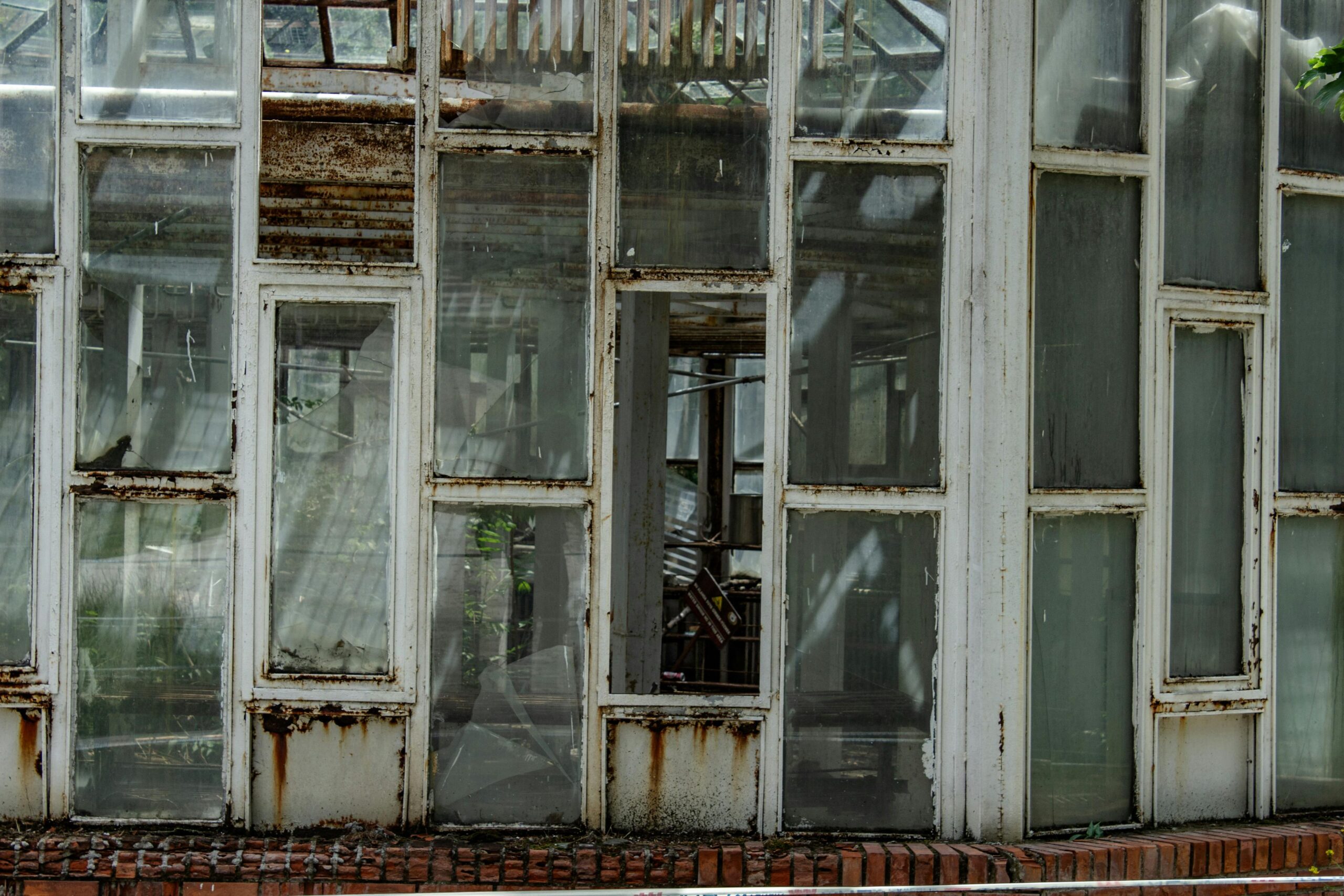
Dirty windows are one of the first things tenants notice in a commercial or residential building. Marks, water stains, dust, and grime can quickly affect the appearance of the property and may lead tenants to feel that maintenance standards are slipping.
In multi-tenant buildings, window cleanliness can also affect natural light, overall presentation, and how professional the property feels to visitors and occupants. Once complaints start becoming frequent, it is usually a sign that the current cleaning schedule is no longer keeping up with the building’s needs.
This guide explains some of the common causes of dirty windows, what property managers should look for, and how regular maintenance can help reduce ongoing tenant complaints.
Why Windows Become Dirty So Quickly
Windows are constantly exposed to outdoor elements throughout the year. Rain, pollution, dust, bird droppings, algae, and traffic residue can gradually build up on the glass, especially in busy commercial areas or properties located near main roads.
Some buildings experience faster buildup because of:
- Heavy traffic nearby
- Construction activity
- Coastal weather conditions
- Poor drainage around windows
- Overhanging trees
- Air pollution and dust
In taller buildings, upper-level windows may also be harder to clean regularly, allowing dirt to accumulate for longer periods.
Tenant Complaints Often Start with Visibility
Many tenants only raise concerns once the problem becomes clearly noticeable. Streaks, spotting, or cloudy glass can make offices, communal spaces, and storefronts feel poorly maintained, even if the rest of the property is clean.

Dirty windows may also reduce natural light inside the building, which can affect the overall environment for tenants and visitors. In customer-facing properties, window condition can directly impact first impressions.
Regular commercial window cleaning can help maintain a cleaner appearance and prevent buildup from becoming more difficult to remove over time.
Check Whether the Current Cleaning Schedule Is Enough
One of the first things property managers should review is how often the windows are currently being cleaned. In some buildings, quarterly cleaning may be enough, while others may require monthly or bi-monthly maintenance depending on location and environmental exposure.
Buildings near busy roads or industrial areas usually need more frequent cleaning because dirt and pollution settle on glass much faster.
It is also important to check whether all areas of the property are included in the maintenance schedule, including:
- External glass
- Internal glass panels
- Entrance doors
- Communal areas
- High-level windows
- Stairwell glazing
Properties with larger façades sometimes combine window maintenance with wider exterior building cleaning to improve the overall appearance of the building.
Access Issues Can Delay Proper Cleaning
In some cases, windows remain dirty because certain areas of the building are difficult to reach safely. Higher floors, awkward rooflines, restricted access points, or busy pedestrian areas can make regular cleaning more challenging. Professional contractors may need specialist access equipment depending on the height and layout of the building. This can include:
- Water-fed pole systems
- Cherry pickers
- Scissor lifts
- Rope access systems
Buildings with complex access conditions may also need additional safety planning before cleaning work begins.
Some Window Problems Are Not Caused by Dirt Alone
Not all window complaints are caused by surface dirt. In some situations, staining or visibility problems may be linked to damaged seals, hard water deposits, condensation issues, or ageing glass.
If windows still appear cloudy after cleaning, it may be worth checking for:
- Failed double glazing
- Mineral staining
- Scratched glass
- Seal deterioration
- Condensation between panes
Identifying these issues early can help property managers avoid ongoing complaints that standard cleaning alone may not solve.
Regular Maintenance Helps Prevent Complaints
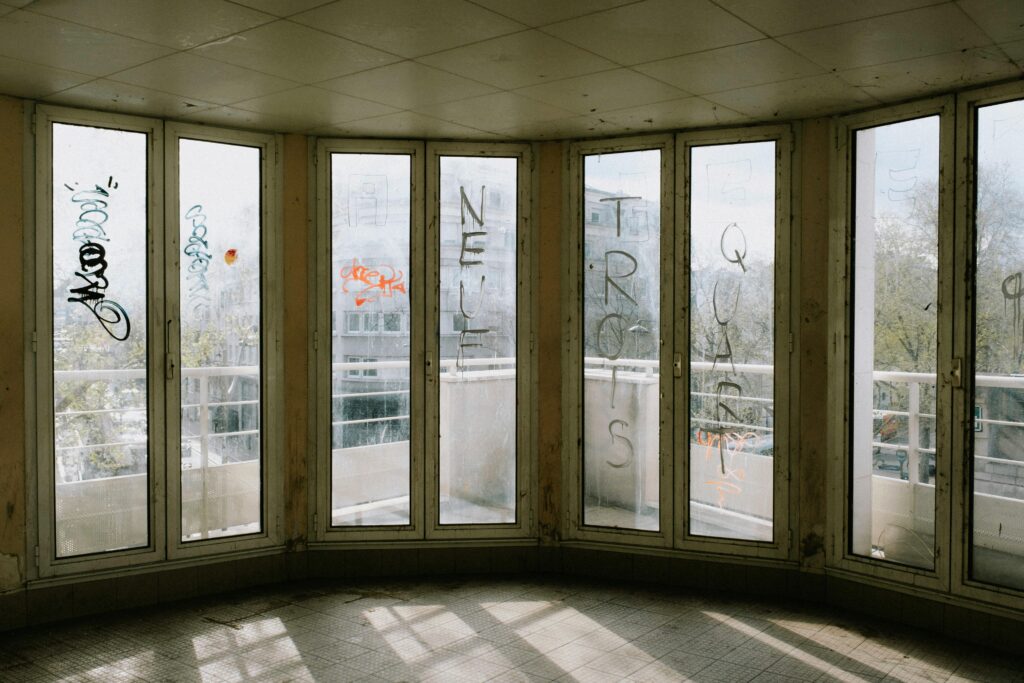
Waiting until tenants complain usually makes window cleaning more difficult to manage. Regular maintenance schedules help keep the property looking cleaner while reducing long-term buildup on the glass.
Routine cleaning can also help:
- Improve natural light
- Maintain a professional appearance
- Reduce staining over time
- Support tenant satisfaction
- Keep communal areas looking cleaner
For larger commercial properties, combining window maintenance with wider commercial cleaning services can often simplify ongoing building upkeep.
Choosing the Right Cleaning Contractor
Window cleaning for commercial buildings often involves more than basic glass cleaning. Larger properties may require specialist equipment, health and safety planning, and experience working around occupied buildings.
When reviewing contractors, property managers should look for:
- Experience with commercial properties
- Proper insurance cover
- Safe access methods
- Flexible scheduling options
- Clear maintenance plans
- Consistent cleaning standards
Reliable maintenance schedules are usually more effective than arranging reactive cleaning only after complaints appear.
Key Takeaway
Tenant complaints about dirty windows often mean the current cleaning schedule needs a closer look. Pollution, weather, building location, and access difficulty can all affect how quickly windows become dirty.
Regular cleaning helps keep the property looking well maintained, improves tenant satisfaction, and prevents dirt from building up over time. For ongoing window issues, you can contact Brew Contract Cleaning to discuss a practical maintenance plan for the building.