
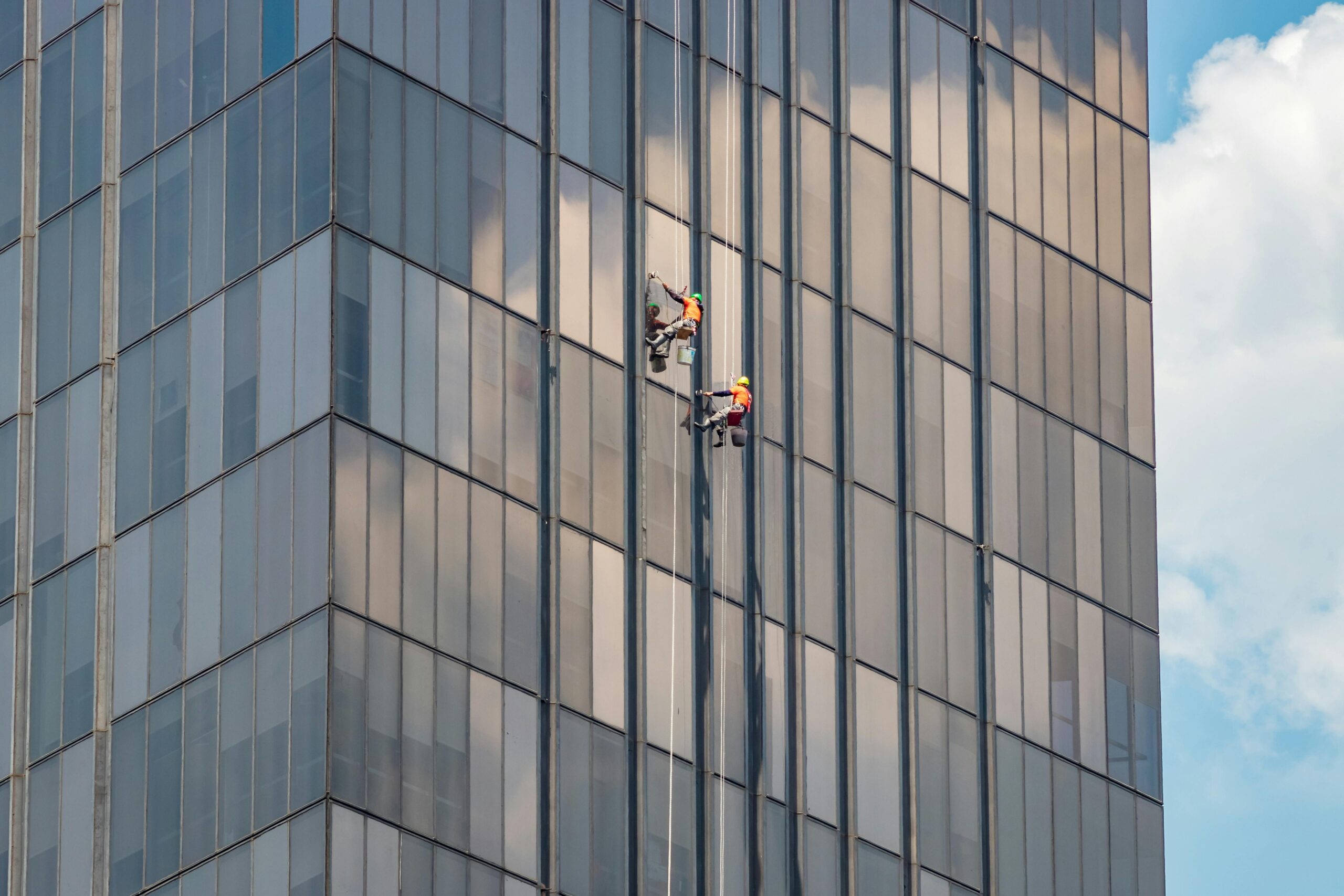
High-level cleaning is often overlooked until dust, dirt, or staining becomes noticeable. In commercial buildings across Glasgow, elevated areas can collect buildup over time, especially in warehouses, offices, retail spaces, and industrial facilities.
Because these areas are harder to access, costs can vary depending on the height, surface condition, equipment needed, and level of cleaning required. This guide explores the main factors that influence high-level cleaning costs for commercial properties in Glasgow.
What Is High-Level Cleaning?
High-level cleaning refers to cleaning areas that cannot be reached safely from ground level using standard cleaning equipment. These areas are usually above normal working height and often require specialist access systems.
In commercial buildings, this may include:
- ceiling structures
- ductwork and ventilation systems
- overhead pipework
- high windows and cladding
- warehouse racking
- lighting fixtures
- roof beams and steelwork
Over time, these surfaces naturally collect dust, dirt, moisture, and airborne contaminants. In busy commercial environments, buildup can happen much faster than many property owners expect.
Businesses often include high-level work within wider commercial cleaning services to maintain a cleaner and more professional environment throughout the building.
Why High-Level Cleaning Costs Vary
High-level cleaning prices can change from one building to another. The cost usually depends on how big the space is, how easy it is to reach the area, how high the surfaces are, and how much dirt has built up.
1. Building Size and Layout
The size and layout of the building can make a big difference to the cost. A small office with open space is usually quicker to clean than a large warehouse with storage areas, machinery, or narrow walkways. Bigger spaces take more time, more staff, and more equipment movement.
If the cleaning team needs to work around stock, equipment, or people, the job may also need more planning. Many businesses include this as part of regular commercial cleaning to keep the building easier to manage.
2. Height and Access Requirements
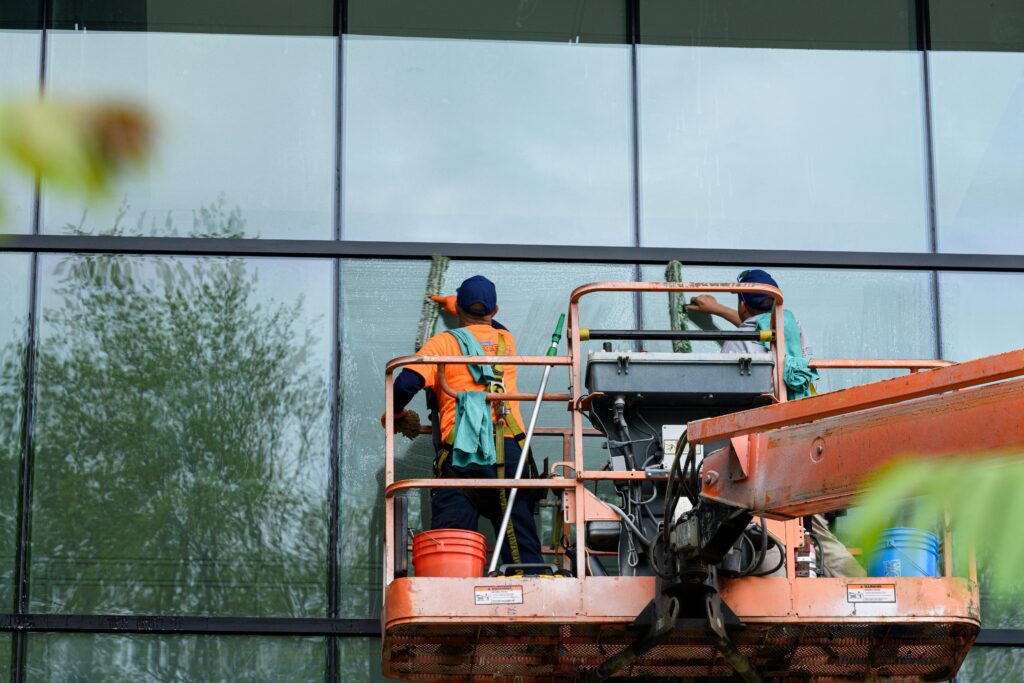
The higher the area, the more care and equipment may be needed. Some areas can be cleaned with long-reach tools, while others may need scissor lifts, cherry pickers, or scaffold towers. If the building has narrow entrances, uneven floors, or limited space, getting equipment into position can take longer.
This can add to the overall cost because the team needs more time to work safely. Larger sites may also combine this with industrial cleaning to cover more areas in one visit.
3. Surface Condition and Buildup
The condition of the surfaces also affects the price. Light dust is usually much quicker to remove than grease, stains, bird mess, or heavy dirt that has been left for years. The longer the buildup has been there, the more time and care it may take to clean properly. Some materials also need gentler methods to avoid damage.
For outside areas affected by dirt, algae, or weather marks, exterior building cleaning may also be useful.
Access And Cleaning Method Affect Cost
Access equipment and cleaning method can both affect the final price. Some buildings are straightforward to clean, while others need more planning because of height, layout, or surface condition.
Common factors include:
- Higher areas may need lifts, towers, or long-reach systems.
- Internal work covers beams, ceilings, pipework, and ventilation.
- External work covers cladding, gutters, façades, and high glass.
- Delicate surfaces may need soft washing.
- Tight spaces or busy areas can add more time.
For larger buildings, combining high-level work with wider industrial cleaning can sometimes make maintenance more practical and reduce repeated site visits.
Health And Safety Requirements Affect Pricing
High-level cleaning needs careful planning to make sure the work is carried out safely. Contractors working at height must follow proper safety procedures to protect both the cleaning team and the people inside the building.
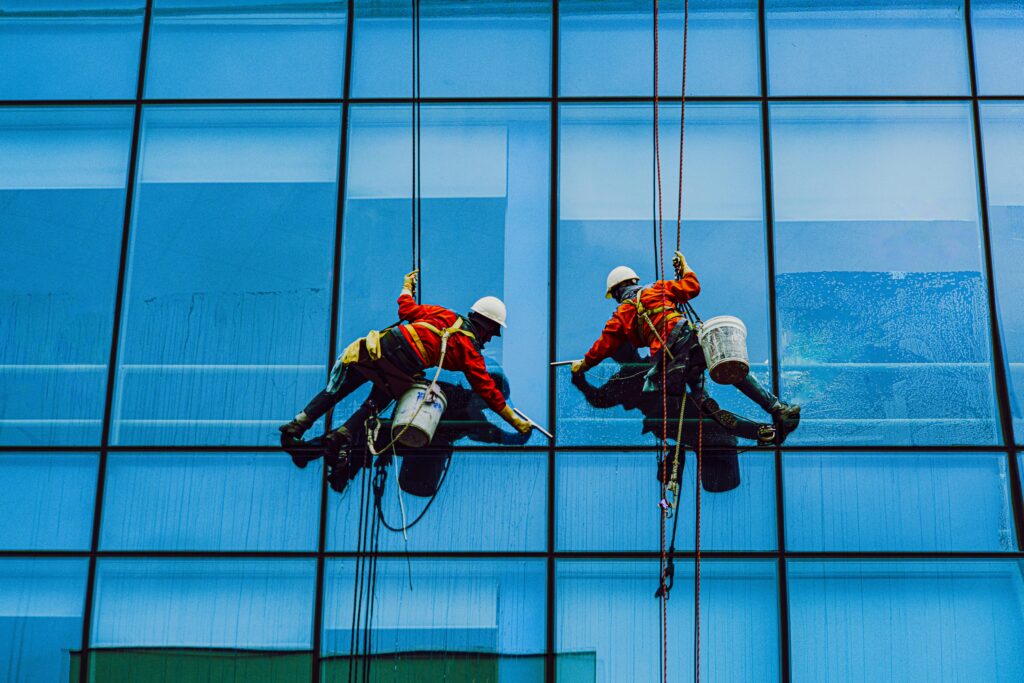
Before work begins, companies usually carry out site checks, equipment inspections, and risk assessments to plan the safest way to complete the job. Buildings that stay open during cleaning may also need evening or weekend work to reduce disruption.
Experienced providers offering specialist cleaning services will normally include these safety requirements within the overall project cost.
How Often Should High-Level Cleaning Be Carried Out?
Cleaning frequency depends on the type of building and how quickly dust, dirt, or residue builds up. Warehouses, factories, and industrial sites may need cleaning more often, while offices or retail spaces may only need scheduled maintenance once or twice a year.
Regular Cleaning Helps Keep Costs Lower
When high-level areas are cleaned regularly, dirt is easier to manage, and the work is usually quicker to complete. Buildings left for several years often need deeper cleaning, which can take more time and increase costs.
Can High-Level Cleaning Prevent Bigger Problems?
Routine high-level cleaning helps protect more than the appearance of a building. It can also reduce dust buildup, improve working conditions, and make hidden maintenance issues easier to spot before they become expensive problems.
It can help with:
- Better airflow from cleaner vents and ducting
- Brighter lighting by removing dust from high fixtures
- Cleaner machinery and fewer overhead dust deposits
- Lower risk of heavy dust collecting in one area
- Earlier signs of leaks, corrosion, or damaged cladding
Choosing The Right Contractor Matters
High-level cleaning needs more than basic cleaning experience. The right contractor should understand safe access, surface care, and how to work around a live commercial building with minimal disruption.
Key things to check include:
- Experience — work with similar commercial buildings
- Safety — clear risk assessments and safe access planning
- Equipment — suitable lifts, towers, or reach systems
- Insurance — proper cover before work starts
- Planning — realistic timings and minimal disruption
- Surface Care — the right method for each material
Key Takeaway
High-level cleaning costs in Glasgow depend on the height of the building, surface condition, access requirements, safety planning, and the type of cleaning needed.
Since every commercial property is different, a site assessment is usually the best way to get accurate pricing. Regular maintenance can also help reduce long-term costs while keeping the building cleaner, safer, and easier to manage.
For guidance on high-level or specialist cleaning requirements, you can contact Brew Contract Cleaning to discuss the building and the most suitable approach.